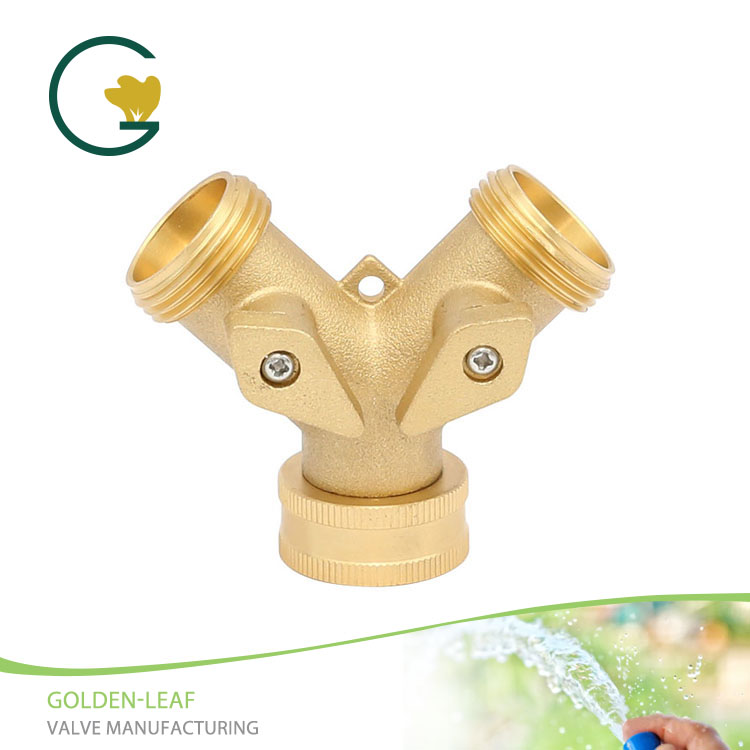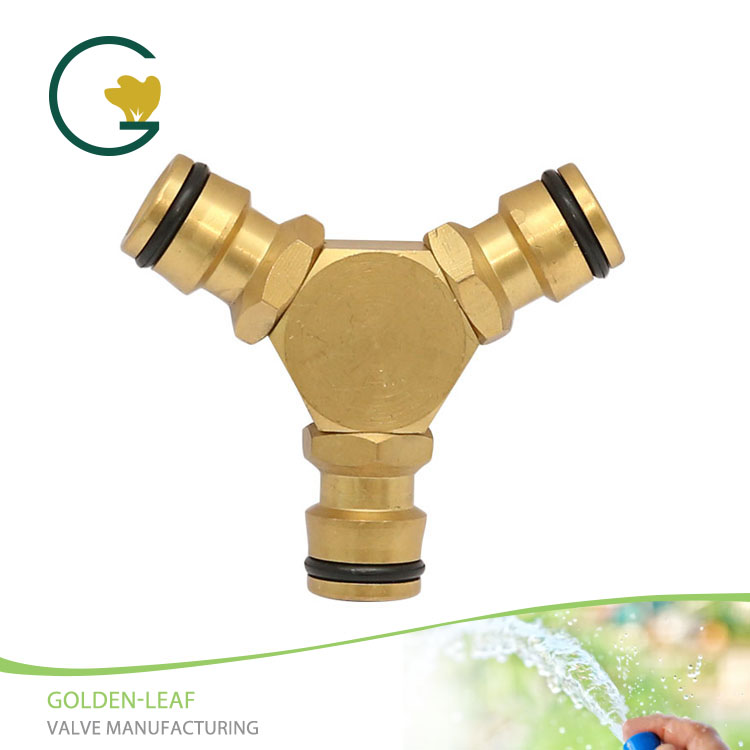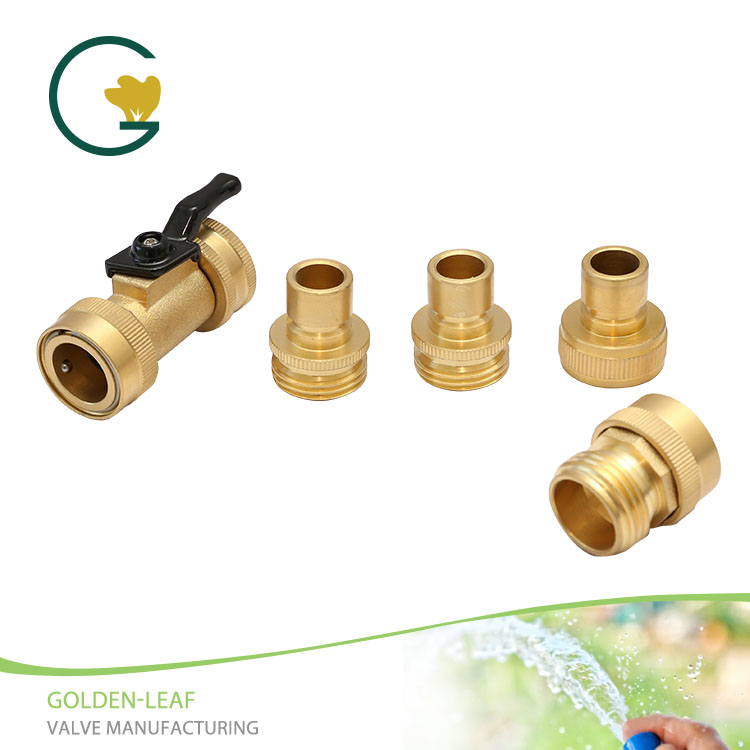

Aluminum adaptors serve as crucial intermediary components that connect two mechanical parts of different sizes, shapes, or threading standards. Designed for durability, stability, and corrosion resistance, they are widely used across fluid systems, industrial machinery, pneumatic devices, automotive systems, and high-performance engineering environments.

The primary purpose here is to present a complete, in-depth analysis of the working principle, benefits, structural features, and application values of aluminum adaptors, while providing users with a reference for choosing high-quality supplies. Furthermore, this article showcases detailed product specifications and responds to two of the most frequently asked user questions.
High-grade aluminum adaptors follow rigorous manufacturing standards. The following table summarizes the core parameters typically associated with premium aluminum adaptor systems:
| Specification | Details |
|---|---|
| Material | High-strength aluminum alloy (6061-T6 / 6082-T6) |
| Surface Treatment | Anodized, hard anodized, sand-blasted, or powder-coated |
| Working Pressure Range | 150 psi – 3000 psi (depending on design and wall thickness) |
| Temperature Resistance | –40°C to 150°C (continuous), peak values may vary |
| Thread Standards | NPT, BSP, G, UNF, Metric threads available |
| Tolerance Standard | ±0.01–0.03 mm depending on machining process |
| Corrosion Performance | High resistance against moisture, oils, and industrial chemicals |
| Weight Advantage | Up to 60% lighter than steel adaptors |
| Applications | Pneumatic systems, hydraulic systems, automotive assemblies, industrial piping, laboratory equipment |
These parameters reflect the manufacturing precision required to ensure strong mechanical compatibility. Aluminum adaptors must offer dimensional accuracy, leak-free threading, and the ability to withstand vibration and pressure fluctuations without fatigue failure.
Aluminum adaptors are engineered to ensure stable mechanical transmission and fluid integrity. Their performance advantages stem from the inherent properties of aluminum alloys:
High strength-to-weight ratio reduces mechanical load on systems.
Thermal stability ensures reliability in fluctuating conditions.
Anti-corrosion performance extends service life in harsh environments.
Machinability allows complex geometries and precise threading.
These traits make aluminum adaptors particularly suitable for systems requiring frequent assembly or structural lightweighting.
Aluminum adaptors provide smoother internal pathways, reducing frictional losses and preventing unnecessary turbulence. This is essential for:
compressed air systems
hydraulic lines
coolant circulation
fuel transfer mechanisms
Because aluminum dissipates heat quickly, it also helps maintain stable working conditions in high-cycle operations.
Modern CNC machining enhances dimensional accuracy, assuring proper sealing and stable coupling. Common manufacturing stages include:
billet cutting
CNC milling and turning
threading with high-precision dies
surface finishing for corrosion and wear resistance
quality inspections using coordinate measuring machines
The combination of technological control and material engineering ensures that aluminum adaptors can meet tight performance expectations in demanding installations.
Industrial sectors are increasingly adopting lightweight materials to reduce energy consumption and improve equipment efficiency. Aluminum adaptors are favored in:
electric vehicle battery cooling systems
high-speed automation machinery
aerospace ground equipment
portable pneumatic tools
industrial robotics
Their low mass reduces system inertia while maintaining durability and consistency.
Chemical processing plants, marine systems, and outdoor machines often face:
exposure to salts
high humidity
industrial vapors
mechanical vibrations
Aluminum adaptors with advanced anodized coatings resist abrasion and corrosion, allowing stable long-term operation. Their surface hardness, often increased through treatments, prevents thread deformation and premature wear.
High-quality aluminum adaptors integrate multiple standards, enabling cross-compatibility across pipe systems and international equipment. This eliminates the need for customized fittings and accelerates project installations.
The industry is moving toward low-waste machining, recycling alloys, and improving anodizing processes using eco-friendly chemicals. Aluminum’s recyclability rate exceeds 90%, making it one of the most sustainable adaptor materials.
AI-assisted machining and digital twin modeling are increasing consistency by predicting stress points and optimizing adaptor geometry. Future aluminum adaptors may integrate embedded sensors for pressure monitoring and leak detection.
Emerging trends include:
multi-layer anodizing for increased corrosion resistance
improved threading for extreme-pressure systems
hybrid aluminum-composite adaptors for ultra-lightweight applications
tighter tolerance options for automated robotic systems
These advancements will continue to raise industry expectations for performance and reliability.
Q1: How to choose the correct aluminum adaptor for a specific system?
A: Selection depends on thread type, pressure rating, connection material, and fluid medium. The best approach is to identify system temperature requirements, check compatibility with existing fittings, and ensure the adaptor meets or exceeds the pressure specifications. Surface treatment is important for corrosive or high-friction environments. Choosing adaptors with precision machining ensures leak-free installation and stable performance over long periods.
Q2: How to maintain aluminum adaptors to ensure long-term performance?
A: Regular inspections should focus on thread wear, surface oxidation, sealing performance, and signs of vibration fatigue. Cleaning adaptors with non-corrosive cleaning agents prevents residue buildup that could impair sealing. In high-pressure or continuously vibrating systems, periodic tightening and replacement of sealing rings are necessary. Using proper torque tools also prevents damage to the threads and increases service life.
Aluminum adaptors remain essential in mechanical, pneumatic, and hydraulic applications due to their strength, corrosion resistance, lightweight structure, and manufacturing flexibility. Their evolution continues to support modern industries such as automotive engineering, advanced manufacturing, and energy systems. As sustainability and precision machining continue to advance, aluminum adaptors will play an increasingly central role.
For users seeking premium reliability, consistent performance, and precise specifications, aluminum adaptors from Golden-Leaf valve provide dependable solutions engineered with strict quality standards. To explore tailored adaptor solutions or request detailed product information, feel free to contact us for professional assistance.